When you're managing chronic kidney disease, picking the right tools really matters. For example, a Hemodialysis Catheter Set is pretty much a must-have for smooth treatment. These catheters make it easier to access your bloodstream during dialysis, which is a big deal for patient care. But there are so many options out there, so choosing the right one is kinda important.
Figuring out which HemoDialysis Catheter Set suits you means understanding what your specific needs are. Not every set fits everyone — stuff like size, ease of use, and comfort really matter here. Sometimes, people might overlook these little details, and that could lead to discomfort or even complications. That’s why chatting with experts or your healthcare team is a smart move; they can offer insights that help you pick the right set.
A good quality Hemodialysis Catheter Set can seriously improve your care experience. It can affect how well your treatment works and how satisfied you feel with the process. But remember, it’s not a one-and-done deal — you’ll want to keep checking in on how things are going to make sure everything’s working smoothly. So, as you explore your options, keep in mind that the right set can really make a big difference in your whole treatment journey.
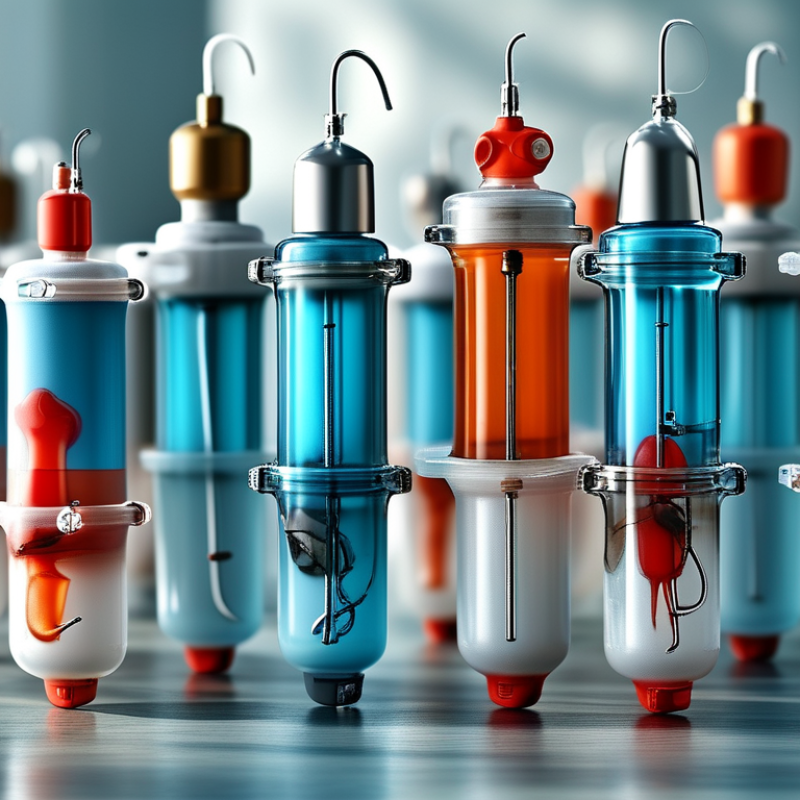
Understanding Hemodialysis Catheter Sets and Their Importance
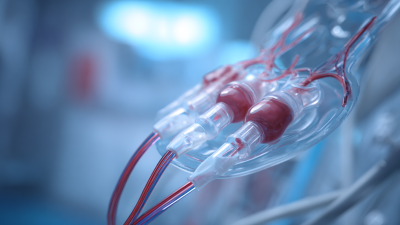
Hemodialysis catheter sets are essential for patients with kidney failure. These sets allow for safe and effective blood access during dialysis sessions. The right catheter set can greatly influence treatment outcomes. The materials, size, and design of the catheter matter. Choosing a high-quality set minimizes complications and enhances patient comfort.
Understanding the purpose of various catheter components is crucial. Each part serves a specific function, such as proper flow rate and ease of use. Many patients may overlook the importance of maintenance. Inadequate care can lead to infections or clots. Regular checks on the catheter's position and appearance are necessary for avoiding issues.
Patients often face challenges in catheter selection. Failing to consider personal health conditions or lifestyle can lead to difficulties. Education about each type of catheter can empower patients. Consultation with healthcare professionals can provide valuable insights. This process fosters informed decisions about optimal care strategies in hemodialysis.
Importance of Choosing the Right Hemodialysis Catheter Set
Key Features to Look for in a Hemodialysis Catheter Set
When selecting a hemodialysis catheter set, understanding key features is vital. First, consider the material. High-quality catheters often use silicone or polyurethane. These materials help reduce the risk of infection and enhance patient comfort. Infection rates can be significantly lower with appropriate materials, with some studies showing a reduction of up to 50%.
The size of the catheter also matters. A Hemodialysis Catheter Set 12f provides a suitable lumen diameter for high blood flow rates. This is crucial for effective dialysis. Dialysis patients commonly require a flow rate of at least 300 mL/min. A catheter that's too small can hinder this, leading to suboptimal treatment outcomes.
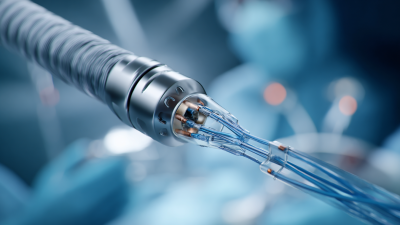
Another important aspect is the design. Catheters with tapered tips facilitate easier insertion and reduce vessel trauma. Some advanced sets come with anti-kink features, minimizing complications during use. However, not all catheters maintain performance equally. Regular assessments of catheter function and site integrity are necessary to prevent device-related issues. Industry data suggests that around 30% of hemodialysis patients experience catheter-related complications. Thus, careful selection and monitoring are essential for optimal patient care.
Comparison of Different Types of Hemodialysis Catheters
When it comes to hemodialysis, choosing the right catheter set is crucial. Different types of hemodialysis catheters are available, each designed for specific needs. The Hemodialysis Catheter Set Triple Lumen is one option that offers distinct advantages. This catheter has three channels, allowing for simultaneous blood access and return.
This design can improve efficiency during dialysis sessions.
Another common type of catheter is the dual-lumen catheter. It has two channels and is widely used due to its simpler design. However, it may not provide the same flow rates as a triple lumen option. Choosing between these types involves considering the patient’s unique situation, such as their vascular condition and the frequency of dialysis.
It's essential to recognize that no catheter is perfect. Some patients may experience complications, such as infections or clotting. The decision should be made collaboratively with healthcare providers, weighing the pros and cons of each option. Ultimately, understanding the differences in hemodialysis catheters can lead to better outcomes for patients.
Assessing Your Individual Needs for Catheter Selection
When selecting a hemodialysis catheter, understanding your unique needs is crucial. The choice often hinges on individual factors like vascular anatomy and overall health. According to the National Kidney Foundation, nearly 30% of patients experience complications from improper catheter selection. It highlights the importance of tailored recommendations in optimizing patient outcomes.
A Hemodialysis Catheter Set Double Lumen offers various advantages for certain patients. For instance, it provides a balance between adequate blood flow and minimized infection risk. Clinical studies show that using double lumen catheters reduces the chance of thrombotic events by up to 25%. This is significant when considering that catheter-related infections affect roughly 30% of dialysis patients.
However, the ideal choice also necessitates consideration of potential drawbacks. Not all individuals have optimal Venous Access, and some may find double lumen options uncomfortable. A patient's response to previous catheter types should inform the decision. A detailed assessment can ensure the best outcome and enhance the quality of life for those undergoing dialysis.
Benefits of Using High-Quality Hemodialysis Catheter Sets
When it comes to hemodialysis, the choice of catheter sets plays a crucial role in patient outcomes. High-quality hemodialysis catheter sets are designed to minimize complications, ensuring smoother treatments. According to a report from the American Society of Nephrology, proper catheter selection can reduce infection rates by up to 30%. This is significant, especially considering that catheter-related bloodstream infections are a leading cause of morbidity in dialysis patients.
Tip: Always consult with healthcare professionals to select the best catheter for individual needs. They have the experience to guide you in making informed decisions.
Using a high-quality hemodialysis catheter set also enhances comfort during the treatment process. Catheters made from advanced materials can reduce thrombus formation and improve flow rates. Research shows that catheters with softer materials can decrease patient discomfort and improve compliance with treatment schedules. Nevertheless, choosing the right catheter requires careful consideration and sometimes trial and error.
Tip: Monitor any discomfort or issues during treatment. Communicate these with your healthcare provider promptly.
Even the best catheters may not fit perfectly for every patient. Variability in anatomy can affect performance. Regular assessments are needed to ensure optimal catheter function. This approach not only promotes better health outcomes but also supports the ongoing safety and comfort of patients in their dialysis journey.
Common Mistakes to Avoid When Choosing a Catheter Set
Choosing a hemodialysis catheter set can be overwhelming. Many patients and healthcare providers make common mistakes that could have serious consequences. A significant error is not considering catheter material. Studies have shown Silicone Catheters often reduce the risk of infections compared to polyurethane options. Infection rates are crucial; they can range from 3% to 37% depending on the materials used.
Another frequent oversight is overlooking the gauge size. For optimal blood flow, a larger gauge can be necessary. According to data, using a 14-gauge catheter can significantly enhance blood flow rates, compared to smaller sizes. Yet, patients sometimes choose smaller gauges, thinking they cause less discomfort. This can lead to complications.
It's vital to evaluate the catheter length as well. Shorter catheters may seem more comfortable but can restrict access. This is especially true for patients requiring long-term dialysis. A review published in medical journals highlighted that many patients switched catheters within weeks due to improper length selection. Awareness of these factors can greatly improve patient outcomes in hemodialysis.
Tips for Proper Catheter Maintenance and Care
Proper maintenance and care of your hemodialysis catheter set is vital for effective treatment. According to industry guidelines, up to 50% of infections related to catheters can be prevented with appropriate care. Regular cleaning and inspection help minimize risks. Always use aseptic techniques when handling the Hemodialysis Catheter Set Double Lumen 12f. This reduces the chance of introducing harmful bacteria into the bloodstream.
Daily monitoring is also crucial. Keep an eye on the catheter site for signs of redness or swelling. A report from the National Kidney Foundation indicates that nearly 35% of patients experience complications related to catheter use, which can result in longer hospital stays. Change dressings every few days or according to your healthcare provider's recommendations. It’s important to note that not all patients follow these care protocols consistently, leading to potential setbacks in treatment.
Educate yourself about the signs of infection and complications. Patients who take an active role in their care and maintenance often experience better outcomes. Utilize resources from healthcare providers to learn best practices. Remember, proactive care helps ensure your hemodialysis treatment remains effective and comfortable.
Why Choose the Best Hemodialysis Catheter Set for Your Needs?
| Catheter Type | Material | Length (cm) | Gauge Size | Recommended Use | Maintenance Tips |
| Temporary Catheter | Silicone | 15 | 12 | Short-term use in emergencies | Regular flushing to prevent clots |
| Permanent Catheter | Polyurethane | 20 | 14 | Long-term dialysis | Keep insertion site clean and dry |
| Dual-lumen Catheter | Silicone | 25 | 14/16 | Used for simultaneous access | Avoid kinking and twist |
| Single-lumen Catheter | Polyurethane | 15 | 12 | For single access needs | Frequent inspection for blockage |
Exploring the Benefits and Uses of Peripherally Inserted Central Catheters in Modern Medical Practice
Peripherally Inserted Central Catheters (PICC) have revolutionized the way healthcare providers administer medications and manage patient care in various clinical settings. These flexible tubes, inserted into a peripheral vein—often in the arm—are advanced toward larger veins near the heart, such as the superior vena cava. This unique placement allows for reliable, mid- to long-term venous access, catering to patients requiring extended treatment durations. With the ability to deliver medications, fluids, blood products, and even nutrition, PICCs play a vital role in achieving effective patient outcomes.
The advantages of using a PICC are numerous, making it an essential tool in modern medical practice. For patients requiring frequent blood draws or those undergoing treatments such as chemotherapy, a PICC minimizes the discomfort associated with multiple needle sticks. Its design reduces the risk of complications commonly associated with traditional intravenous methods, thereby fostering a safer environment for both patients and healthcare providers. Furthermore, the versatility of PICCs allows for the administration of a wide range of therapies, optimizing treatment regimens while maintaining patient comfort and mobility. As healthcare continues to advance, the PICC's role in enhancing patient care remains increasingly significant.
FAQS
: They provide safe blood access during dialysis for patients with kidney failure.
The right set can improve treatment outcomes and enhance patient comfort.
Personal health conditions and lifestyle factors play a major role in selection.
Good maintenance reduces infection risks and complications during treatment.
Redness, swelling, or unusual discharge may indicate an infection.
Change dressings every few days or as directed by a healthcare provider.
Up to 50% of infections can be prevented with proper care.
Daily checks can catch issues early, helping to avoid complications.
Active engagement in care leads to better treatment outcomes.
Not all patients adhere to care guidelines, which can impact their treatment.
Conclusion
Choosing the best hemodialysis catheter set is crucial for effective treatment and patient safety. Understanding the different types of hemodialysis catheter sets and their key features can significantly impact the choice made. It’s essential to assess individual needs, considering factors like the patient's medical history and lifestyle, to select the most suitable catheter.
High-quality hemodialysis catheter sets offer various benefits, including reduced risk of complications and improved patient comfort. However, common mistakes such as overlooking maintenance or selecting an inappropriate type can hinder the treatment process. Therefore, proper catheter care and adherence to recommended practices are vital for ensuring optimal performance and longevity of the catheter set.